Drywall Water Damage Repair in Wilmington, NC
Drywall water damage repair services address issues caused by excess moisture or leaks that compromise the integrity of interior walls. These projects typically involve removing and replacing damaged drywall, addressing underlying sources of water intrusion, and restoring the wall surfaces to their original condition. Homeowners often seek this service after incidents such as plumbing leaks, roof leaks, or flooding, aiming to prevent mold growth and maintain the safety and appearance of their living spaces.
Before requesting drywall water damage repair, property owners usually want to understand the extent of the damage, including whether the underlying structure has been affected. It’s also important to consider if any mold or mildew has developed, as this may require additional remediation. Clear communication about the scope of work, including the removal, repair, and restoration process, helps ensure the project addresses all areas impacted by water exposure effectively.
Many property owners in Wilmington, NC look into Drywall Water Damage Repair for repairs, replacements, upgrades, and appearance-related improvements.
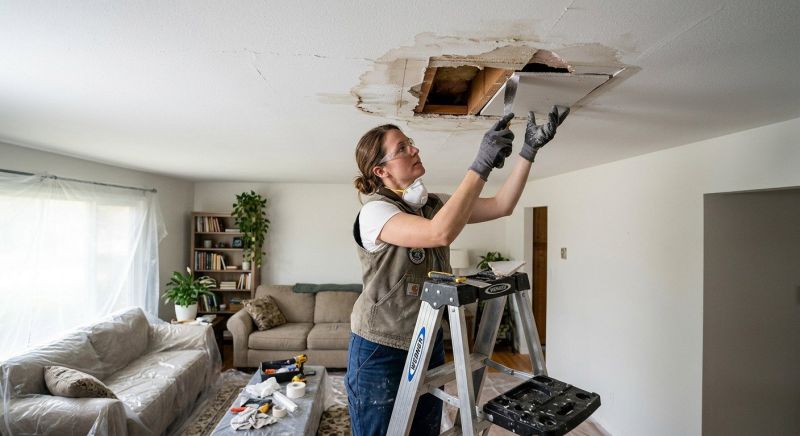
Identifying Water Damage In Drywall
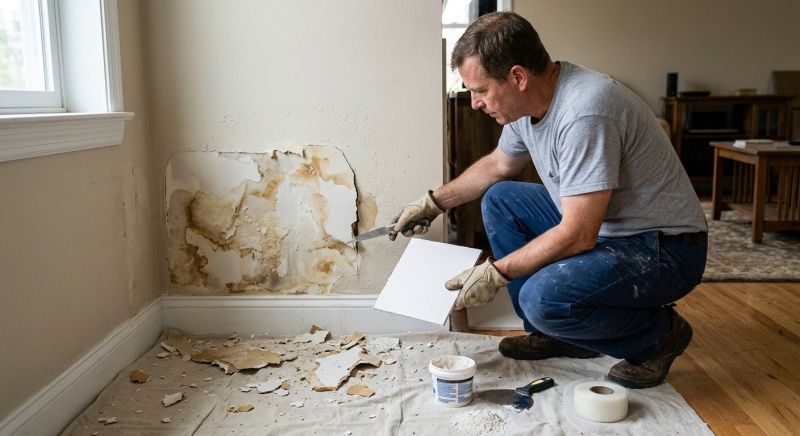
Signs of water damage in drywall include staining, warping, and mold growth.
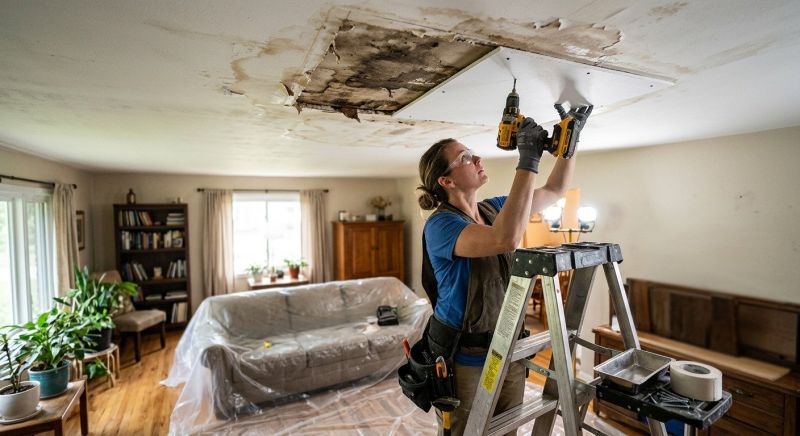
Restoring Drywall After Water Incidents
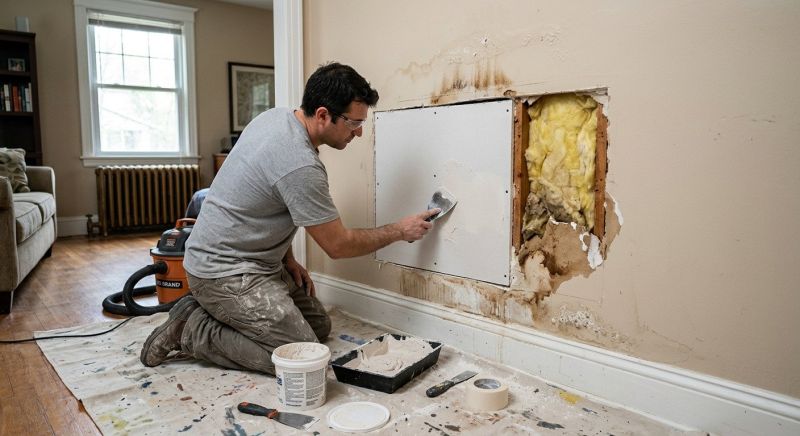
Repair involves removing damaged sections and applying new drywall for a seamless finish.
Preventing Future Water Damage
Proper insulation and maintenance can help protect drywall from future water-related issues in wilmington, nc.
Drywall Water Damage Repair in Wilmington, NC
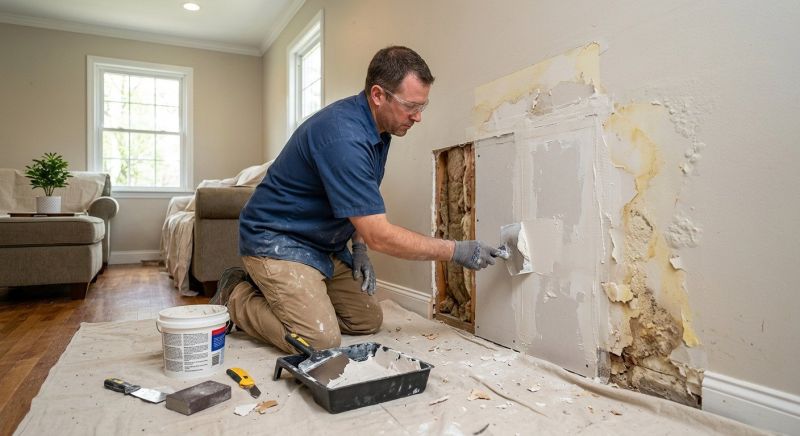
Drywall water damage repair services address issues caused by excess moisture or leaks that compromise the integrity of interior walls. These projects typically involve removing and replacing damaged drywall, addressing underlying sources of water intrusion, and restoring the wall surfaces to their original condition. Homeowners often seek this service after incidents such as plumbing leaks, roof leaks, or flooding, aiming to prevent mold growth and maintain the safety and appearance of their living spaces.
Before requesting drywall water damage repair, property owners usually want to understand the extent of the damage, including whether the underlying structure has been affected. It’s also important to consider if any mold or mildew has developed, as this may require additional remediation. Clear communication about the scope of work, including the removal, repair, and restoration process, helps ensure the project addresses all areas impacted by water exposure effectively.
Many property owners in Wilmington, NC look into Drywall Water Damage Repair for repairs, replacements, upgrades, and appearance-related improvements.
Common Drywall Water Damage Repair Jobs
Drywall Water Damage Repair - Restores damaged drywall caused by leaks or flooding.
Leak Damage Restoration - Fixes and replaces water-affected drywall to prevent mold growth.
Flood Damage Cleanup - Removes water and repairs drywall affected by floodwaters.
Moisture Damage Repair - Addresses hidden moisture issues that weaken drywall structure.
Mold Prevention and Repair - Eliminates mold caused by water intrusion in drywall surfaces.
Water Damage Restoration - Provides comprehensive repair for drywall affected by water incidents.
Drywall Water Damage Repair Questions
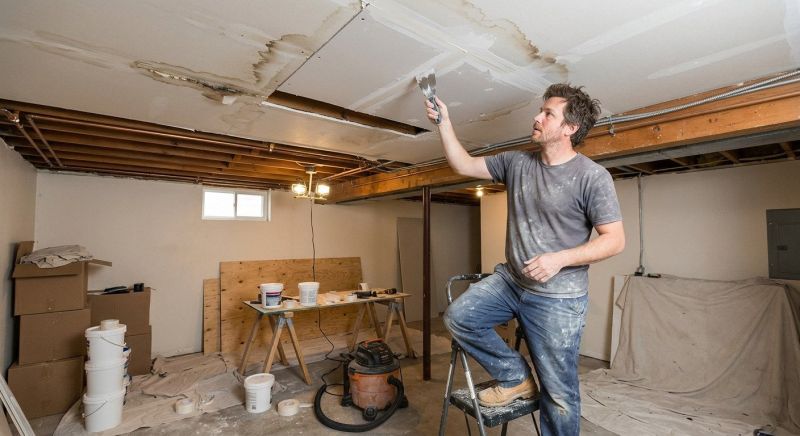
What causes drywall water damage? Water damage in drywall often results from leaks, plumbing issues, or roof leaks that allow moisture to seep into wall materials.
How can I tell if drywall is water-damaged? Signs include discoloration, warping, soft spots, or a musty odor near the affected area.
Is drywall repair necessary after water damage? Yes, damaged drywall should be repaired or replaced to prevent mold growth and restore wall integrity.
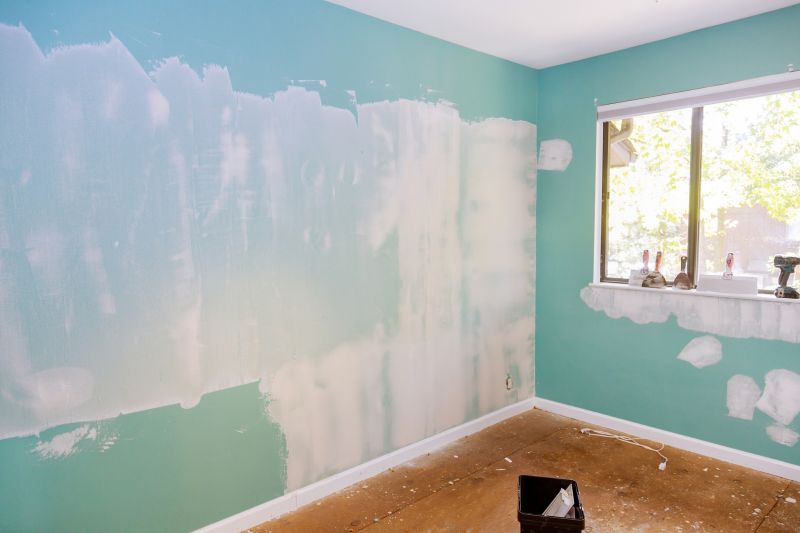
What steps are involved in drywall water damage repair? The process typically includes removing damaged drywall, drying the area, and installing new drywall to match existing surfaces.
Request Drywall Water Damage Repair in Wilmington, NC
Use the quote form on this page to share the basics of your project and request more information for the type of work you need.